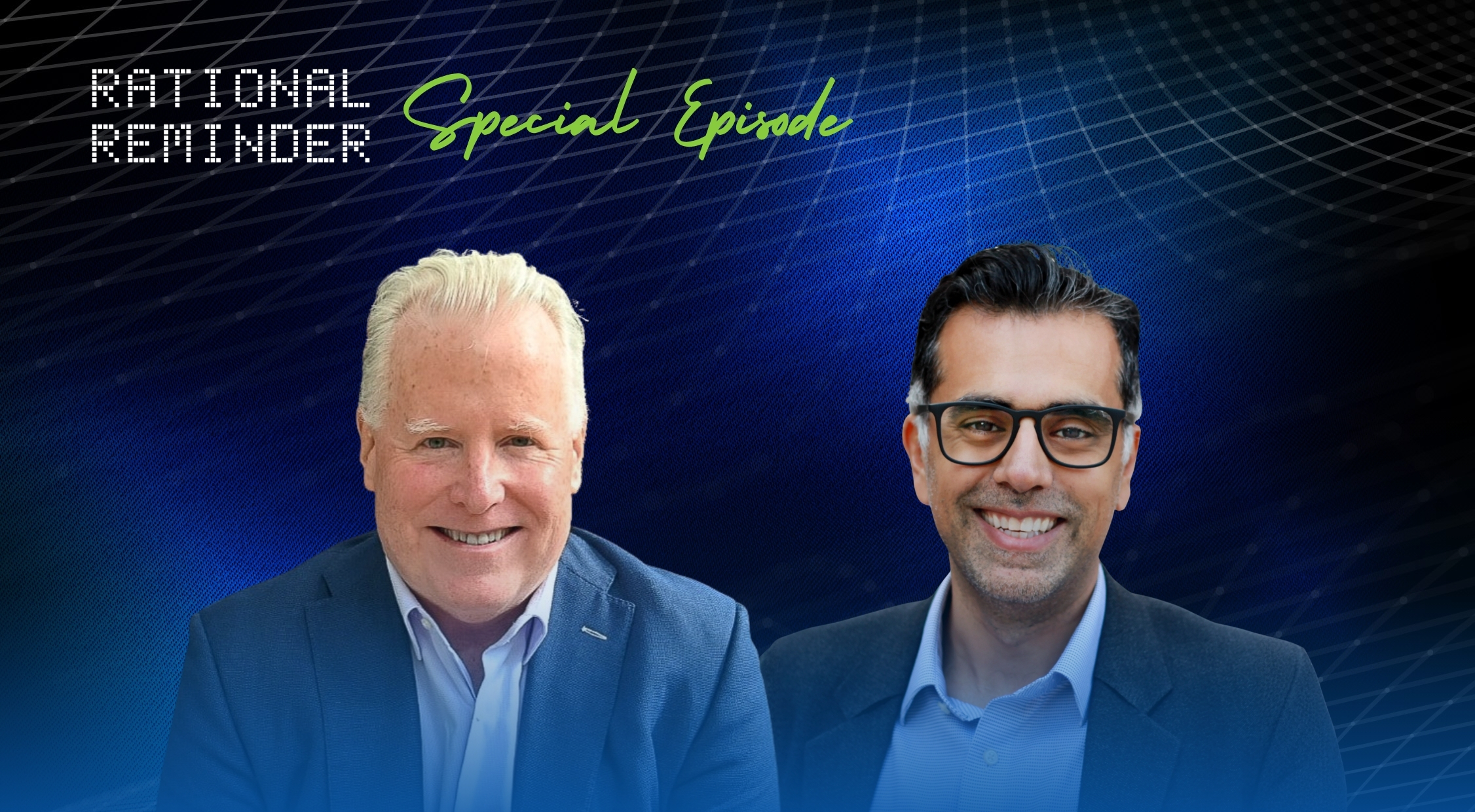
In this episode, we’re joined by Philippa Hann and Dr. Moira Somers, co-authors of The Fault Lines of Finance: Understanding and Preventing Financial Misconduct, for a deep dive into why good people can do bad things with other people’s money. Philippa brings two decades of experience suing financial advisors, wealth managers, and banks, while Moira brings her expertise as a clinical neuropsychologist working with financial professionals, families, and the human side of money.
We explore the psychology and systems that can allow financial misconduct to happen, from financial stress, incentives, and information asymmetry to workplace culture, poor training, exhaustion, and the pressure to please. Philippa and Moira explain why ethical behavior is not simply about knowing right from wrong, and why developing “ethical health” requires understanding your own vulnerabilities, building a moral operating system, and having people you can turn to when doing the right thing becomes difficult.
We also discuss how investors can evaluate financial professionals, why complexity and exciting financial products deserve extra scrutiny, the role of regulators and insurers, and why financial sophistication doesn’t necessarily protect people from being exploited. Along the way, Philippa and Moira share case studies illustrating ethical drift, confirmation bias, and the ways seemingly small decisions can compound into serious misconduct. The conversation ultimately makes the case for moral humility, strong relationships, healthy organizational cultures, and the willingness to tolerate discomfort when something doesn’t feel right.
Key Points From This Episode:
(0:02:02) What financial misconduct means and why “other people’s money” matters.
(0:02:35) Philippa’s 20 years in litigation and the core question: why do good people do bad things?
(0:05:02) Moving beyond harm prevention toward promoting positive change in financial services.
(0:07:36) Why financial services are especially vulnerable: access, incentives, and opportunity.
(0:09:40) Information inequality and extraordinary client trust in advisors.
(0:11:15) Even sophisticated investors can fail to ask critical questions.
(0:11:57) Misconduct isn’t simply “good vs. bad people.”
(0:12:45) How systems, incentives, and culture can draw well-intentioned people into misconduct.
(0:17:40) Ethical drift: how innocent mistakes can escalate into lying and misconduct.
(0:19:05) Building a personal “moral operating system” to prepare for dilemmas.
(0:20:00) Identifying vulnerabilities: people-pleasing, exhaustion, dependence, conflict avoidance.
(0:21:00) Journaling, defining non-negotiables, and developing ethical self-awareness.
(0:25:22) Importance of trusted people who can challenge your thinking.
(0:27:13) Personal strengths (confidence, ambition) can become vulnerabilities.
(0:28:38) Systems and culture can enable misconduct or make ethics easier
(0:30:10) Organizations must make it safe to surface mistakes.
(0:34:43) Developing “ethical health” alongside physical and mental health.
(0:40:15) Ethics requires more than knowing the right answer—it requires character and motivation.
(0:44:29) Why traditional ethics training often fails in real-world dilemmas.
(1:14:11) The moral operating system as an actionable framework for behavioral ethics.
https://zbib.org/754fbba6cf814f179d662d9cd7bd3060
The Fault Lines of Finance: Understanding and preventing financial misconduct by Philippa Hann, Moira Somers — https://www.amazon.com/gp/product/B0GPDHGH8K/?maas=maas_adg_54BAEC77E3D41A94AB054EADA1E259EE_afap_abs&ref_=aa_ma
Stay Safe From Scams – https://pwlcapital.com/stay-safe-online/
Rational Reminder on Apple Podcasts — https://itunes.apple.com/ca/podcast/the-rational-reminder-podcast/id1426530582.
Rational Reminder on Spotify —https://open.spotify.com/show/6RHWTH9iW7hdnA7eAg7ukO?si=fe7f60349b584026
Rational Reminder on Instagram — https://www.instagram.com/rationalreminder/
Rational Reminder on YouTube — https://www.youtube.com/channel/
Benjamin Felix — https://pwlcapital.com/our-team/
Benjamin on X — https://x.com/benjaminfelix
Benjamin on LinkedIn — https://www.linkedin.com/in/benjaminwfelix/