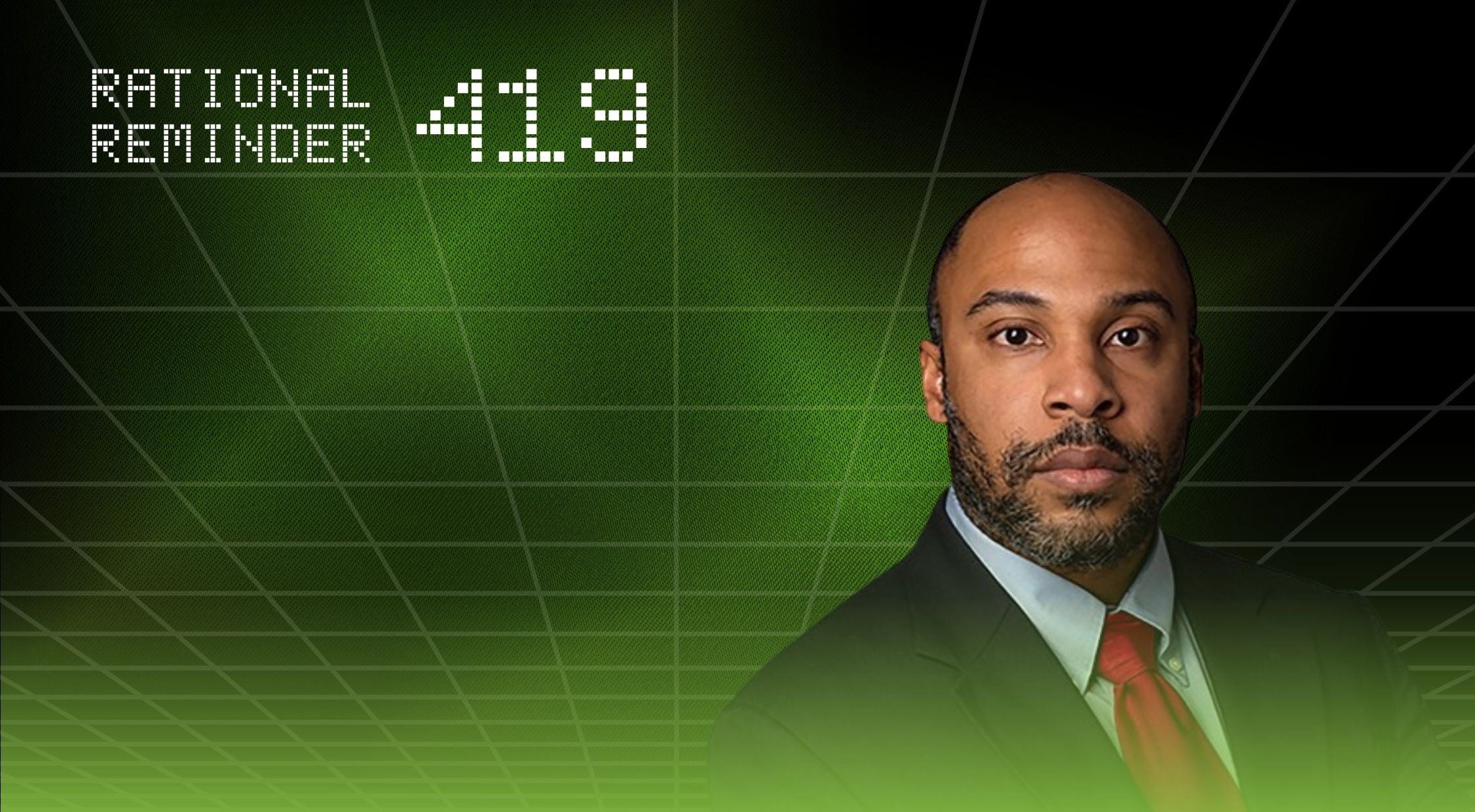
In this episode, we welcome back William Bernstein to discuss the final book of his longtime friend Jonathan Clements, Money and Me. Bill reflects on Jonathan’s ideas about spending, happiness, retirement, investing, inheritance, and the psychology of financial decision-making, while sharing personal stories that bring those ideas to life.
We explore why material purchases often lose their appeal quickly, why autonomy can be one of the best things money can buy, and how worrying about money can be a greater problem than spending it. Bill also discusses the four horsemen of financial disaster—inflation, deflation, confiscation, and destruction—why diversification matters, and why investors should be skeptical of assumptions about future returns and market forecasts.
The conversation also examines what it means to “win the game” financially, why retirement should be thought of as a verb rather than a destination, and the three foundations of well-being: connection, competence, and autonomy. Bill shares Jonathan’s approach to teaching children about money, the concept of “Omega” as a way to think about spending versus saving, and why the people around us can have an enormous influence on our expectations and consumption.
Key Points From This Episode:
(4:56) Why success can contain the seeds of its own destruction—and the role of competition, organizational hubris, and luck.
(6:15) Why dynastic wealth is so difficult to preserve across generations.
(8:28) A hierarchy of spending: material purchases, experiences, autonomy, and the relief from worrying about money.
(10:54) Why some people continue worrying about money no matter how much they have.
(11:44) Why we are poor at predicting what purchases and lifestyle changes will actually make us happy.
(13:36) How to pressure-test large purchases by considering their downsides and their effect on your time.
(14:20) Why the happiness generated by spending does not necessarily scale with the price of a purchase.
(15:21) The importance of gratitude and savoring small pleasures.
(16:39) The four horsemen of financial apocalypse: inflation, deflation, confiscation, and destruction.
(18:15) Why inflation is the financial risk Bill focuses on—and how investors can blunt its effects.
(19:26) Why relatively inexpensive international markets can still offer optimism for long-term investors.
(21:02) Jonathan Clements’ “investment sin”: slightly overbalancing when rebalancing.
(22:04) What it means to have “won the game” financially.
(24:36) Why a TIPS ladder or annuity can help defuse retirement spending needs.
(25:19) Why the math of financial planning often fails to account for human psychology.
(27:21) Why diversification matters when bad returns arrive at the same time as bad circumstances.
(28:20) The challenge of variable spending in retirement.
(29:10) Why retirement should be a verb—and why simply stopping work can leave people searching for meaning.
(30:00) The three foundations of happiness: connection, competence, and autonomy.
(32:03) Investment assumptions people should avoid, including confusing great companies with great stocks.
(33:10) Why eloquence can be an alarm bell when evaluating financial forecasts.
(34:18) Jonathan’s three-pronged strategy for getting more out of your money: pause before making important decisions.
(35:01) How to audit your past spending to identify what actually made you happy.
(37:11) Hedonic versus eudaimonic happiness—and why life satisfaction can outlast momentary pleasure.
(39:05) Why enjoying your work can be more valuable than maximizing your salary.
(40:56) A different perspective on FIRE: working less and doing work you enjoy rather than simply retiring early.
(41:37) Why giving money to children while you’re alive can be more useful than leaving it as an inheritance.
(42:29) How parents teach children about money by modeling their own spending behavior.
(44:13) Jonathan’s practical approach to teaching children about spending and saving.
(44:49) The “Omega” concept: avoiding both YOLO spending and dying as the richest person in the graveyard.
(46:26) How social comparisons influence spending and expectations.
(48:54) Why rising markets can encourage investors to take on more risk.
(49:06) How recency and the availability heuristic shape investment beliefs.
(49:46) Bill’s favorite memories of Jonathan and his remarkable outlook while facing a terminal diagnosis.
https://zbib.org/c306ba46cdc7402a87303b247ef443c7
Stay Safe From Scams – https://pwlcapital.com/stay-safe-online/
Rational Reminder on Apple Podcasts — https://itunes.apple.com/ca/podcast/the-rational-reminder-podcast/id1426530582.
Rational Reminder on Spotify —https://open.spotify.com/show/6RHWTH9iW7hdnA7eAg7ukO?si=fe7f60349b584026
Rational Reminder on Instagram — https://www.instagram.com/rationalreminder/
Rational Reminder on YouTube — https://www.youtube.com/channel/
Benjamin Felix — https://pwlcapital.com/our-team/
Benjamin on X — https://x.com/benjaminfelix
Benjamin on LinkedIn — https://www.linkedin.com/in/benjaminwfelix/